
Sense
Match modality to trace, with live sensor footprints and optional overlays.
Wildlife Forensic Mission
Training for system-level operators who govern intelligent machines rather than drive them — learning shared autonomy by running it, in a scene where every decision has evidential consequences.
Human-machine interaction has moved from discrete manual teleoperation toward multi-agent shared autonomy. The System-Level Operator presides over that architecture as a cognitive arbiter: setting intent, judging machine confidence against physical reality, and owning the decisions that carry legal and ethical weight.
Authority in these systems is not held or handed over wholesale. It is distributed along a continuum of joint action, and the operating point moves constantly with task complexity, algorithmic confidence, operator load and environmental uncertainty. Reading that continuum — and moving deliberately along it — is the core competence this programme develops.
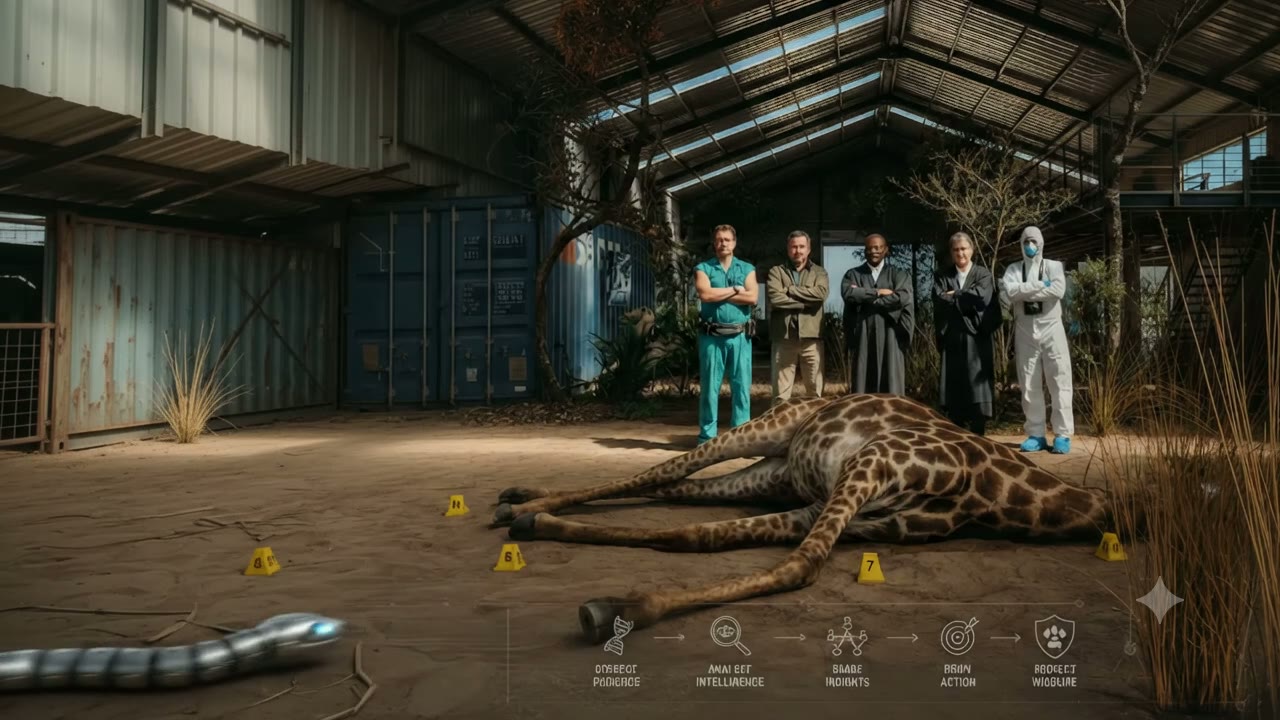
A continuous 3D wildlife crime scene where a mixed fleet operates under your direction. You choose the platforms, the sensing modality and where authority sits, then live with the result: a trace detected in time, reached without contamination and preserved through custody — or lost.

Match modality to trace, with live sensor footprints and optional overlays.
Shift authority as confidence and workload change, one platform or the full fleet.
Approach cleanly and hold the chain of custody through to the debrief.
Competence here is judged by the quality of governance, not the smoothness of the driving.
Govern mission intent and arbitration rather than kinematics, and recognise when a task must be pulled back down to direct execution.
Judge task complexity, environmental uncertainty, cognitive load and algorithmic confidence, and move the operating point before conditions force the move.
Interpret confidence and uncertainty signals critically, and resist both automation bias and needless override.
Keep the operator's authorship legible, and keep every recovered trace defensible from detection through chain of custody.
The Learn section carries the conceptual programme: the operator's role and abstraction hierarchy, the Spectrum of Shared Control, trust calibration and explainability, and a glossary of every term in use.


The overview, the introductory theory and a trial mission are open to everyone. A free account opens the full analysis in each Learn part, every scenario in the simulator, the paced modules and your saved mission record.